 苏诺之音 Suno AI
返回

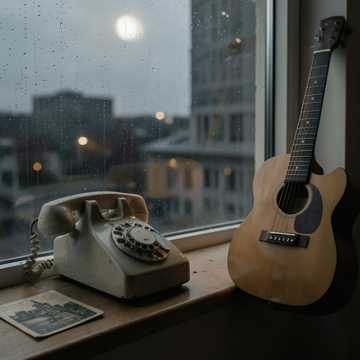
你还好吗
▶播放
歌词
[Genre: Lo-fi Folk Ballad / Spoken Word Blues / Intimate Singer-Songwriter]
[Vocal: Male bass-baritone, deep rumbling chest voice with a gravelly whiskey-cured husk, extremely intimate close-miked delivery like a man whispering into a telephone receiver, heavy breathiness on every phrase ending, natural voice cracks on emotionally vulnerable words like “下” in “催你睡下” and “啊” in “你不用担心啊”, the repeated line “你还好吗” evolves from a tentative question in verse 1 to a resigned sigh in verse 5, a self-deprecating low chuckle after the busy tone in the intro, no vibrato, no polish, sounds like a man who has been alone with his thoughts so long his voice has forgotten how to sound casual]
[Tempo: 58 BPM (very slow, like the weight of an unsent message pressing down)]
[Key: B-flat minor (warm but heavy, with a sense of unresolved longing)]
[Instrumentation: Warm slightly detuned acoustic guitar with audible finger squeaks and soft pick noise (main), fretless upright bass with woody slides and a mournful low-end hum, soft brushed drums entering only in the chorus with a lazy kick on the one, Rhodes electric piano with subtle warble and tuning drift, bluesy harmonica with pronounced breath and reed vibration that sounds like it was recorded in a hallway, telephone dial tone and busy signal samples at intro and outro, ambient field recording of a quiet apartment at dawn (distant bird chirps, the hum of a refrigerator, faint city rumble), the sound of a phone receiver being picked up and hung up at bookends]
[Structure: Intro (phone pick up click + dial tone + busy signal + low chuckle + guitar arpeggio) → Verse 1 (guitar only, sparse) → Verse 2 (guitar + bass enters softly, Rhodes faint in background) → Verse 3 (guitar + bass + Rhodes) → Chorus (full band: guitar + bass + Rhodes + brushed drums, harmonica accents, backing vocal harmony with same deep gravelly texture) → Interlude (harmonica solo with distant wind ambience) → Verse 4 (guitar + bass + light drums) → Verse 5 (guitar only, very intimate) → Chorus (full band, slightly more presence and emotional swell) → Outro (stripped to guitar and voice, piano final low chord, phone hang up click, sigh)]
[Production: Intimate analog warmth like a recording made on a cassette tape in a small bedroom at 5 AM, just before the sun comes up. Vocals centered with small room reverb and a very subtle telephone filter effect on certain phrases to evoke the theme. Light tape saturation and gentle compression that lets the breathiness breathe. Harmonica slightly overdriven. Vinyl crackle and faint tape warble present throughout. Dynamics build subtly from a fragile near-whisper in the early verses to a restrained but chest-heavy swell in the final chorus, then collapse back to a lone voice and a click. The phone sounds at intro and outro are crucial for the storytelling frame.]
[Mood: The weight of words never spoken, the quiet ache of wondering about someone you no longer have the right to ask about, the loneliness of a 5 AM decision not to hit send, a love that has settled into a low hum of distant concern, the strange peace of knowing someone is happy without you]
[Vocal Style: A deep, resonant bass-baritone that feels like a vibration in the listener's own ribcage, textured by sleepless dawns and too many unsent messages. The question “你还好吗” should start as a genuine inquiry in verse 1, become slightly more desperate in the chorus, and finally turn into a rhetorical sigh by verse 5—like a man who has asked the empty room so many times he no longer expects an answer. The low chuckle after the busy tone should sound weary and self-aware, like he knew he wouldn't actually call. The final whispered “我...还挺想你的...” should be barely audible, as if saying it too loud would make it too real. Imagine a man sitting on the floor of his apartment at dawn, phone in hand, looking at a contact he'll never dial again.]
[Intro]
(电话听筒拿起的“咔嗒”声,然后是长长的拨号音,嘟——嘟——)
(拨号音突然中断,变成忙音)
(一声自嘲般的低沉轻笑)
(木吉他慢速琶音进入,音色温暖而模糊)
[Verse 1]
你还好吗 这句话我打了又删 删了又打
从凌晨一点 磨蹭到天快要亮了
其实也没什么特别的事想表达
只是突然想起 你以前总熬夜
不知道现在 有没有人催你睡下
[Verse 2]
你还好吗 听说你搬去了另一座城市
那里冬天冷不冷 有没有人提醒你加件外套啊
你以前总是忘记看天气预报
我把伞递给你的时候 你笑的样子
我到现在还记得清清楚楚啊
[Verse 3]
你还好吗 我其实过得也还行吧
工作不忙不闲 朋友不多不少 日子不快不慢
只是偶尔打开通讯录 看到你的名字
手指会停一下 也只是停一下
我没拨出去 怕打扰你啊
[Chorus]
你还好吗 你还好吗
这四个字我练习了千万遍
却始终没有勇气 让它穿过话筒
去打扰你现在的平静啊
你还好吗 你还好吗
也许不问 才是最好的回答
[Interlude]
(布鲁斯口琴独奏,气息声极重,音色干涩微破)
(像是一个人在阳台上对着夜色吹的,风声隐约可闻)
[Verse 4]
你还好吗 听说你现在一切都挺好
他把你照顾得很好 你们最近养了一只猫
照片里的你 笑得和以前不太一样了
那是一种 我从来没有见过的 安定的笑啊
挺好的 真的挺好的
[Verse 5]
你还好吗 我已经很久没有梦到你了
昨天夜里你突然出现 还是穿着那件旧毛衣啊
我们坐在老地方 你问我最近怎么样
我张了张嘴 还没开口天就亮了
醒来枕头上湿了一块 应该是下雨了吧
[Chorus]
你还好吗 你还好吗
这四个字我练习了千万遍
却始终没有勇气 让它穿过话筒
去打扰你现在的平静啊
你还好吗 你还好吗
也许不问 才是最好的回答
[Outro]
(所有乐器缓慢退去,只剩一把木吉他和人声,像独白)
你还好吗...
(声音渐弱,最后变成气声)
我...还挺想你的...
(钢琴一个低音和弦轻轻落下,延音拉长)
(电话挂断的“咔嗒”声)
(一声很轻的叹息)
(渐弱,结束)